- Beauty Center -
- Beauty Center -
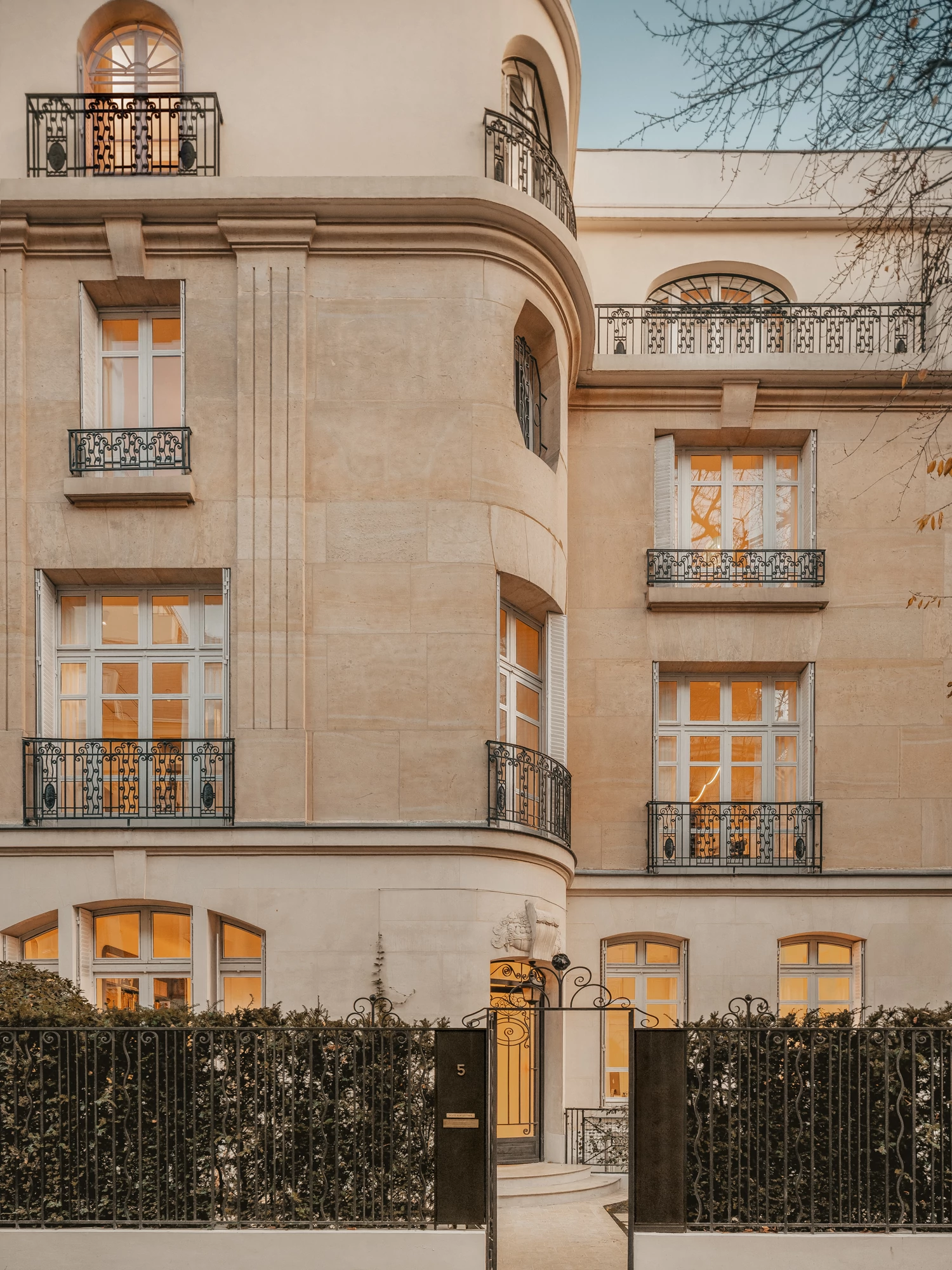
This mansion located in the 16th arrondissement of Paris, dating from the early 20th century, has had several lives, successively as an embassy and then a residence. When we arrived, the last complete renovation, carried out some twenty years ago, had erased most of the elements that bore witness to its history. The spaces, neutralized, no longer revealed the original architectural qualities or the identity of the building.
The project therefore consisted of restoring a coherent interpretation of the space, drawing on its period of construction and proposing a contemporary intervention that was understated and respectful of its character. For its new life, this mansion has been transformed into a cosmetic surgery practice. A place dedicated to facial beauty and aging well.
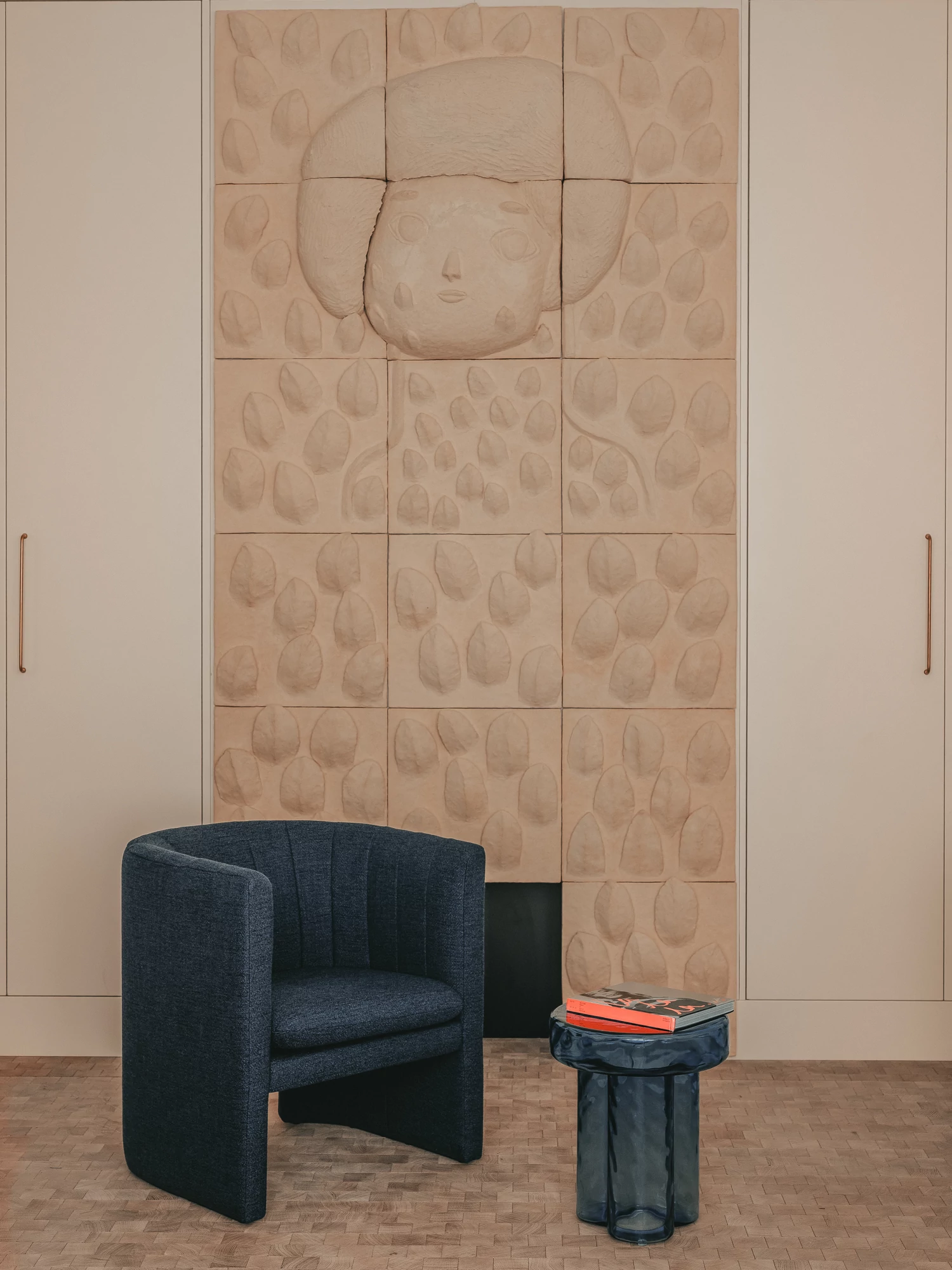
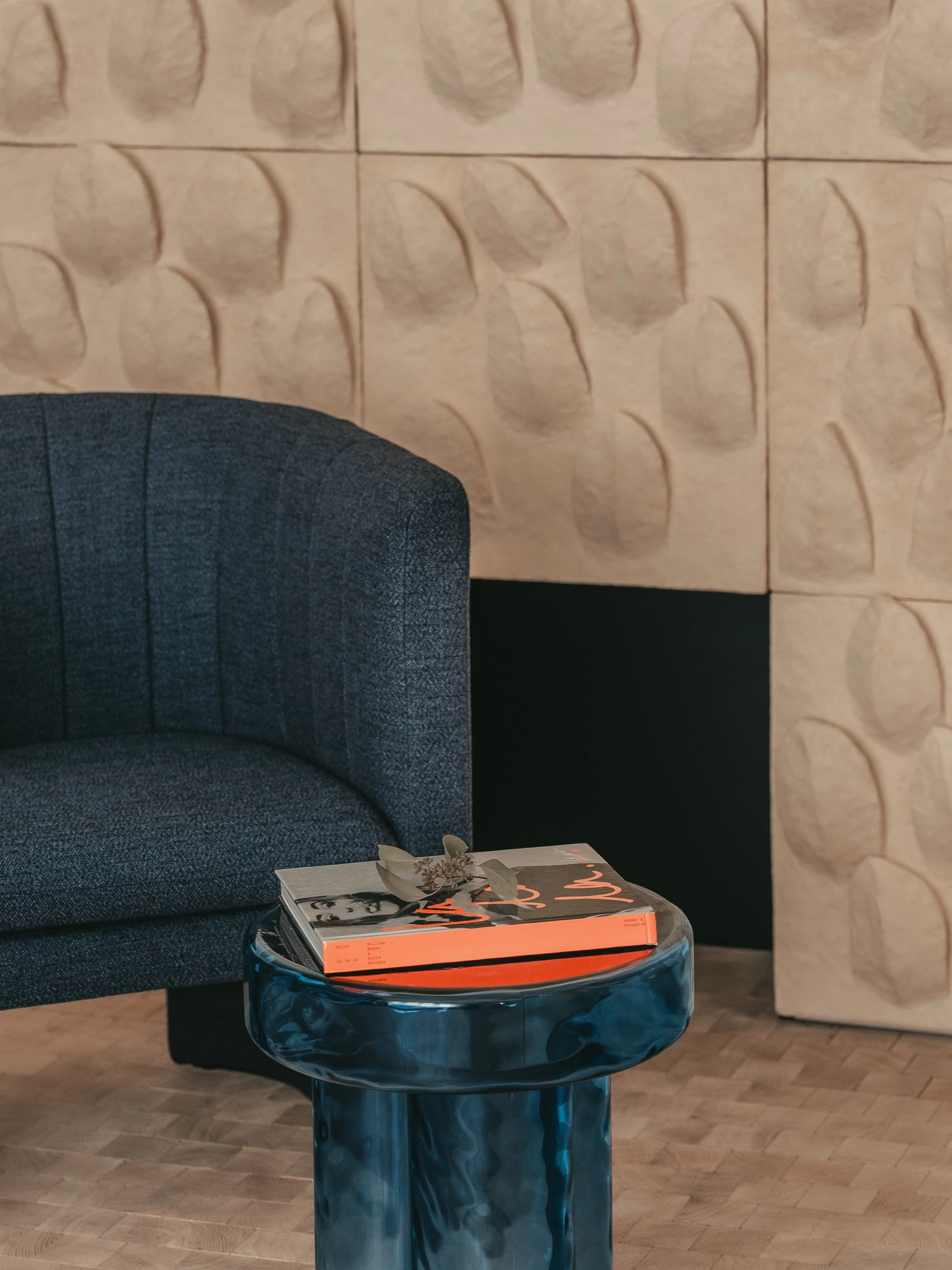
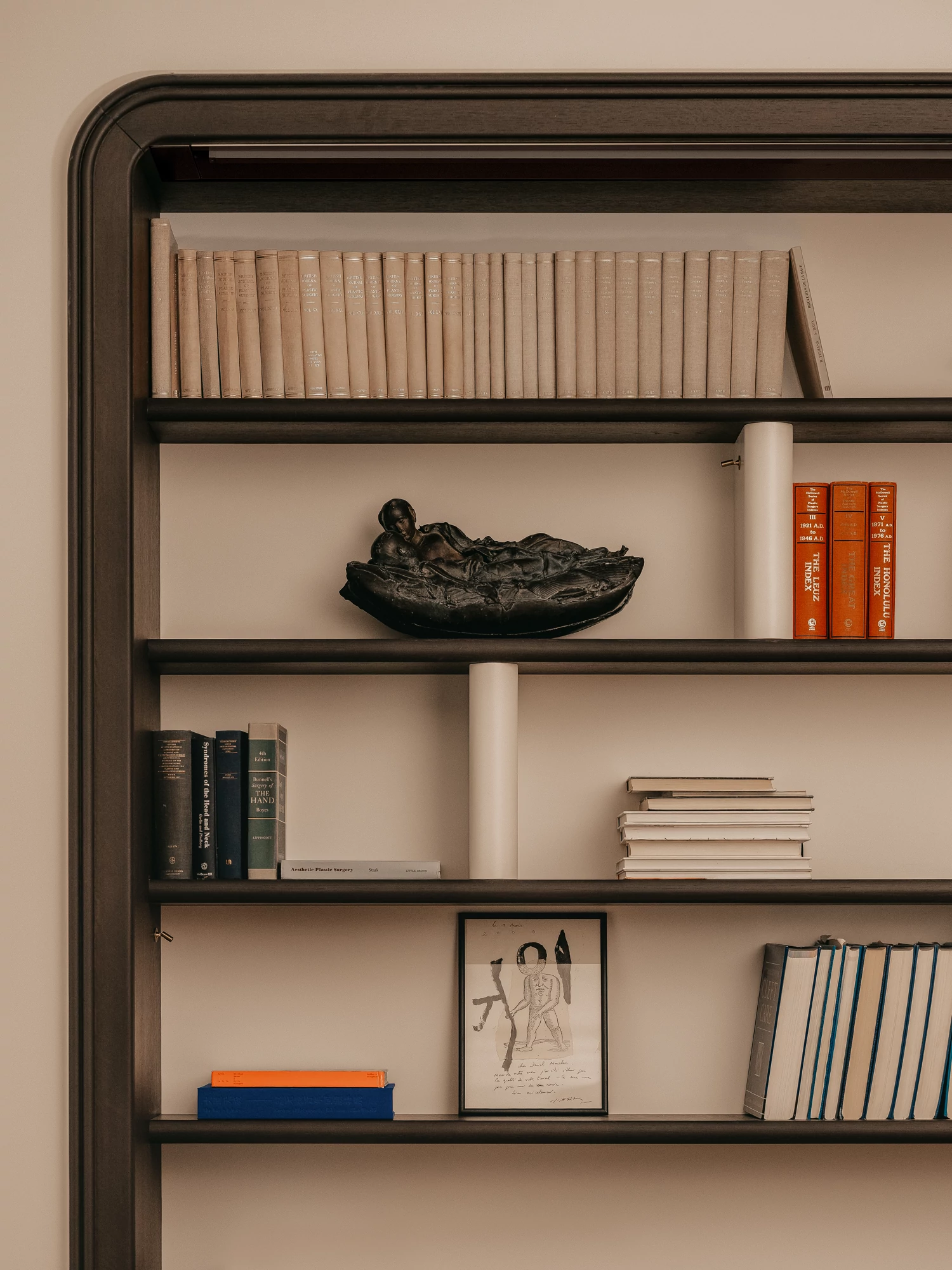
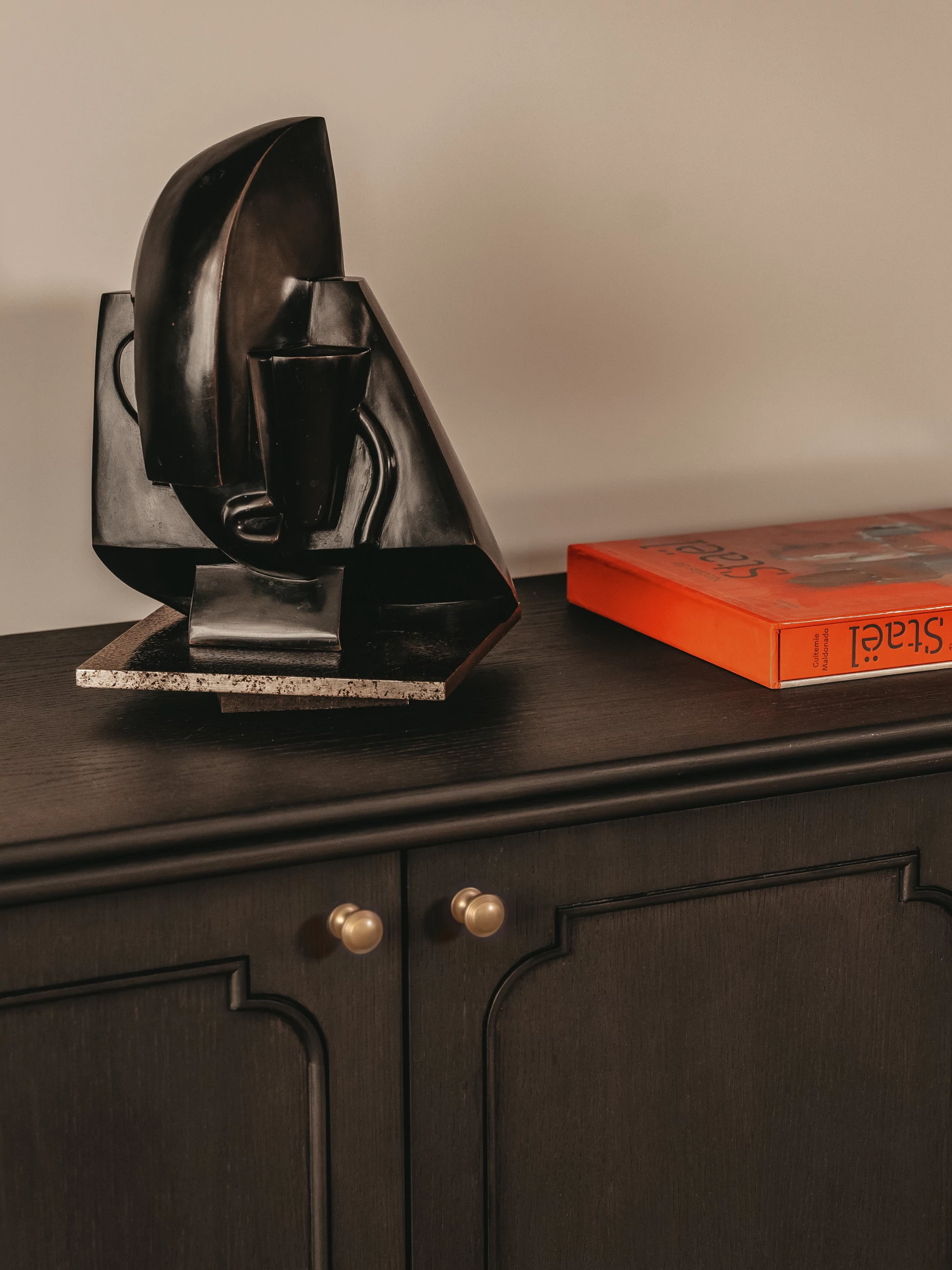
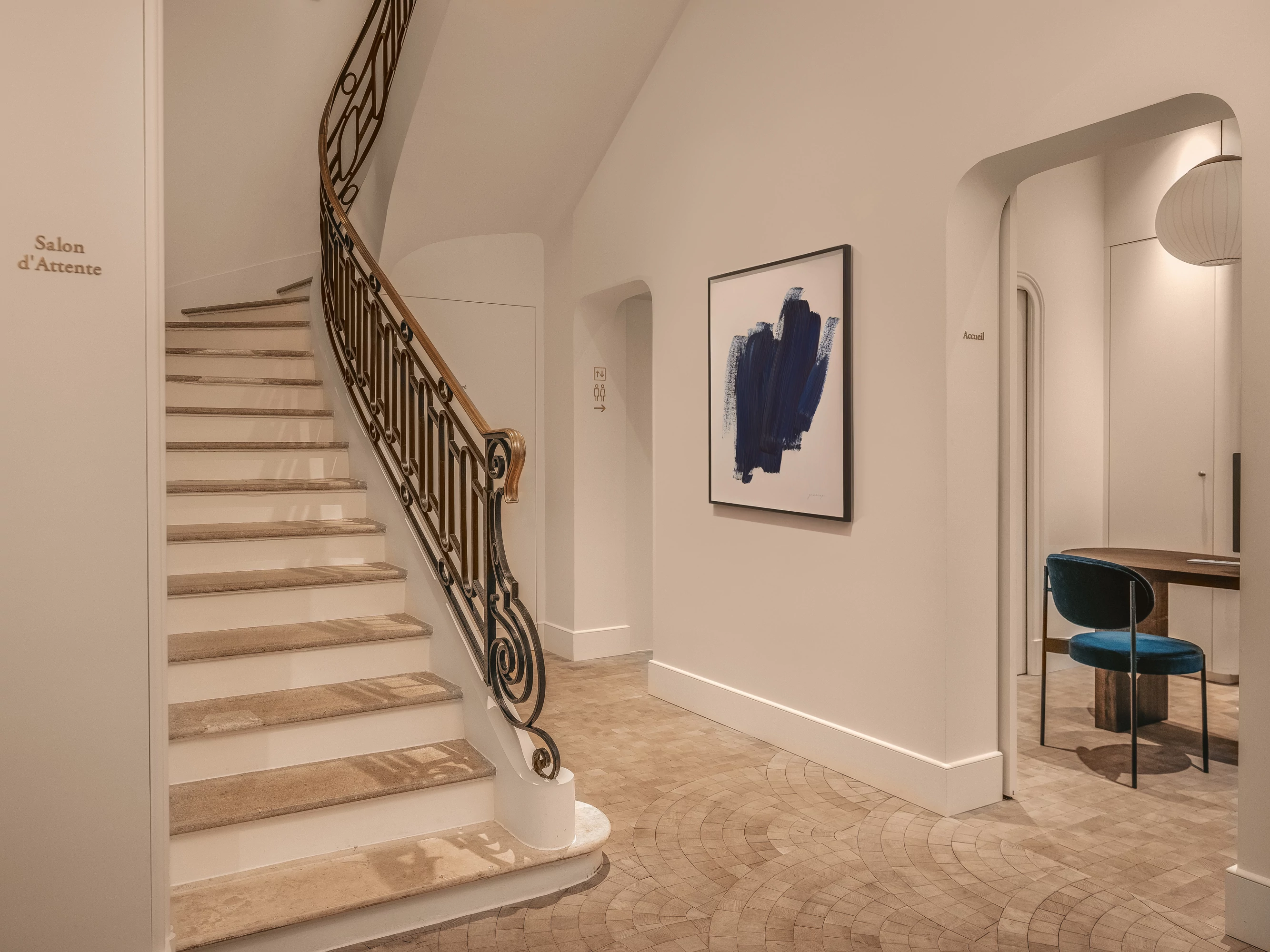
The main challenge of the project was to break away from the institutional and impersonal image often associated with medical consultation spaces. The interior architecture was therefore designed as a living space, inspired by the domestic environment, where visitors are welcomed as if they were in a home rather than a medical facility.
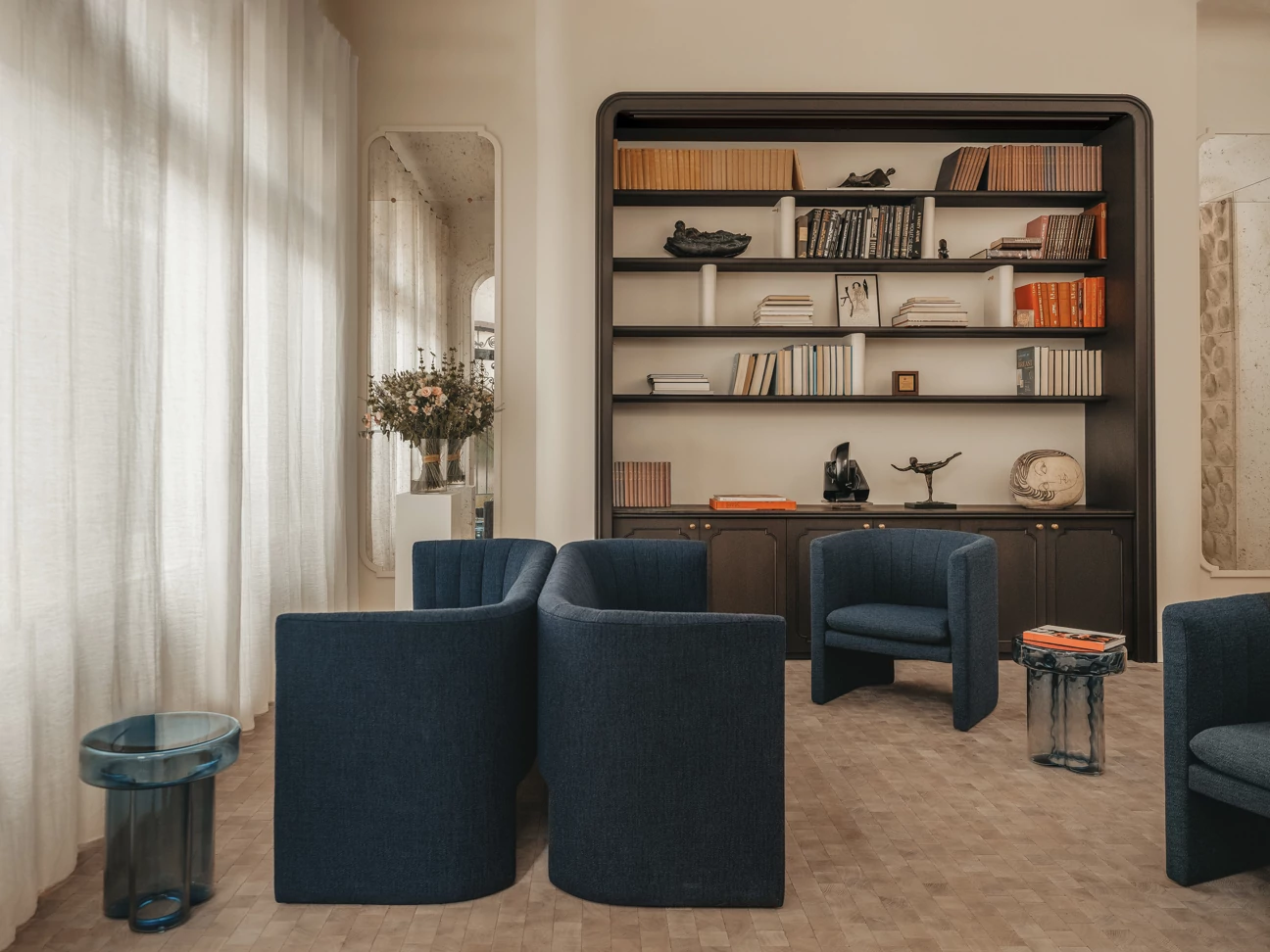
The main waiting room was designed as a warm reception area, centered around a large library, generous sofas, and a decorative fireplace.
The consultation rooms extend this intention: far from a clinical aesthetic, they take the form of private, cozy, and intimate offices, promoting a relationship of trust and serenity. Each space contributes to this feeling of belonging, as if one were entering the surgeon's own home.
The ground floor and first floor are dedicated to patient reception and Dr. Marchac's office. The second floor houses his colleagues, who specialize in aesthetic medicine. Finally, the top floor is dedicated to My Face Care, a skin care center.
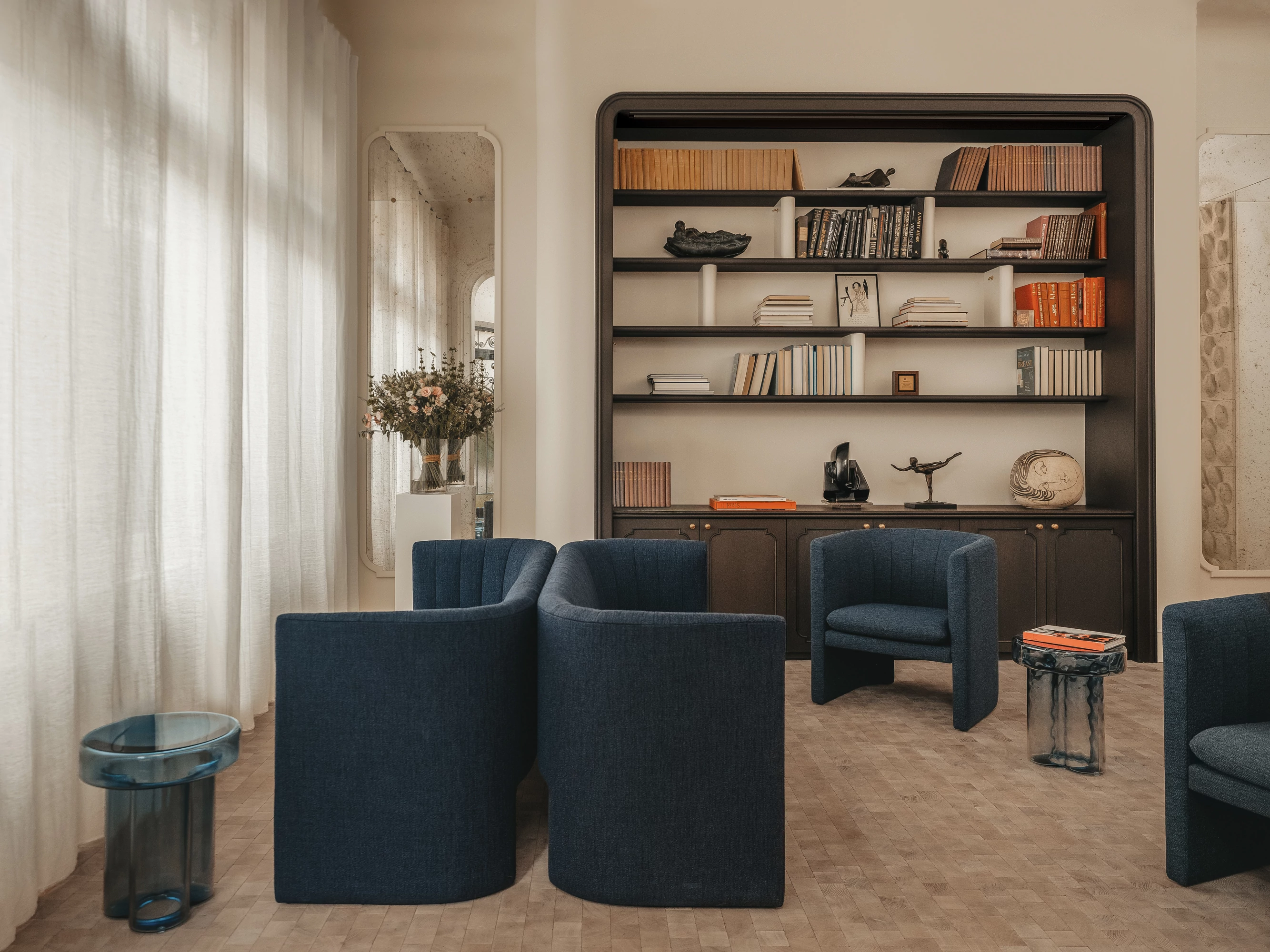
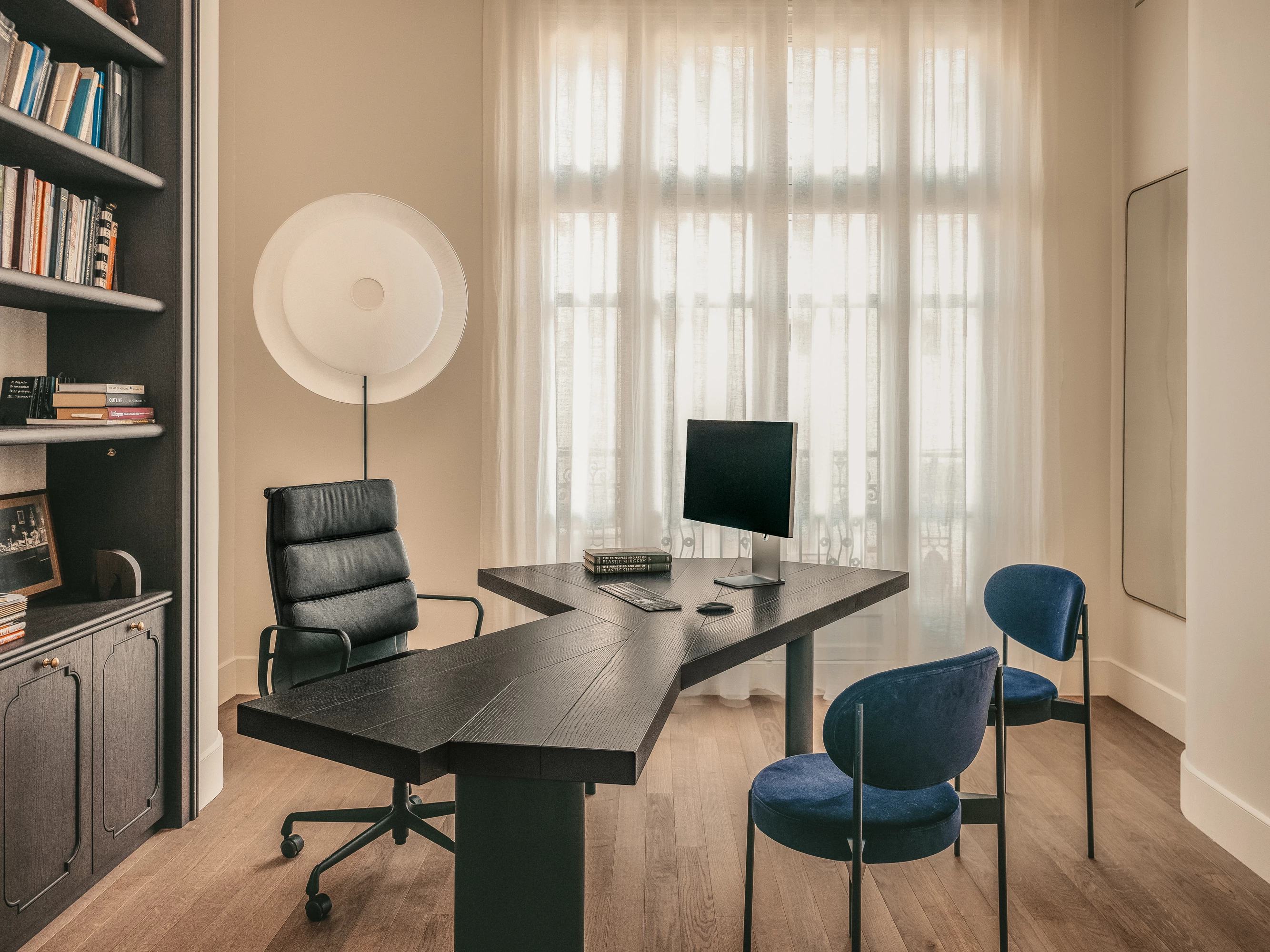
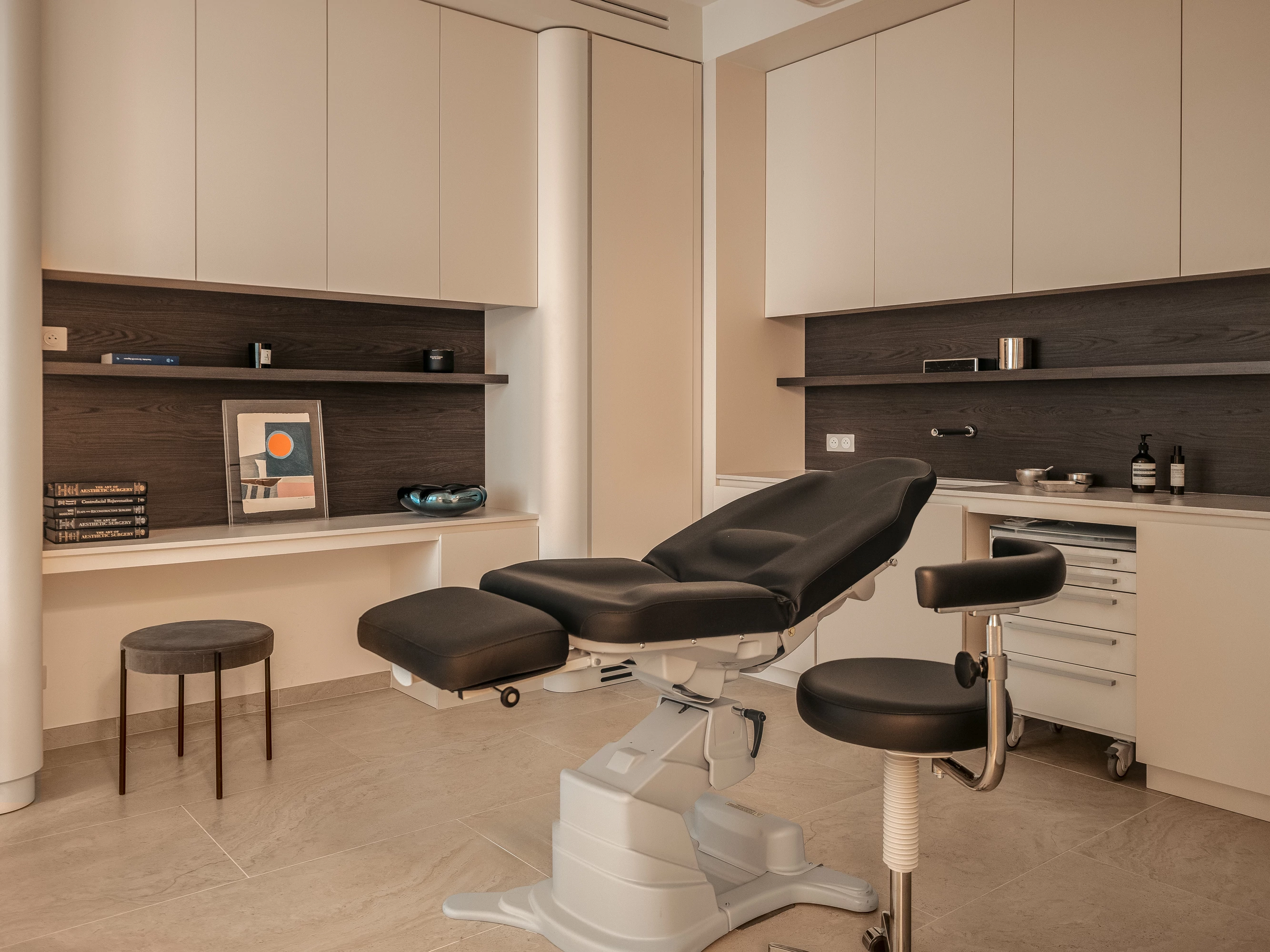
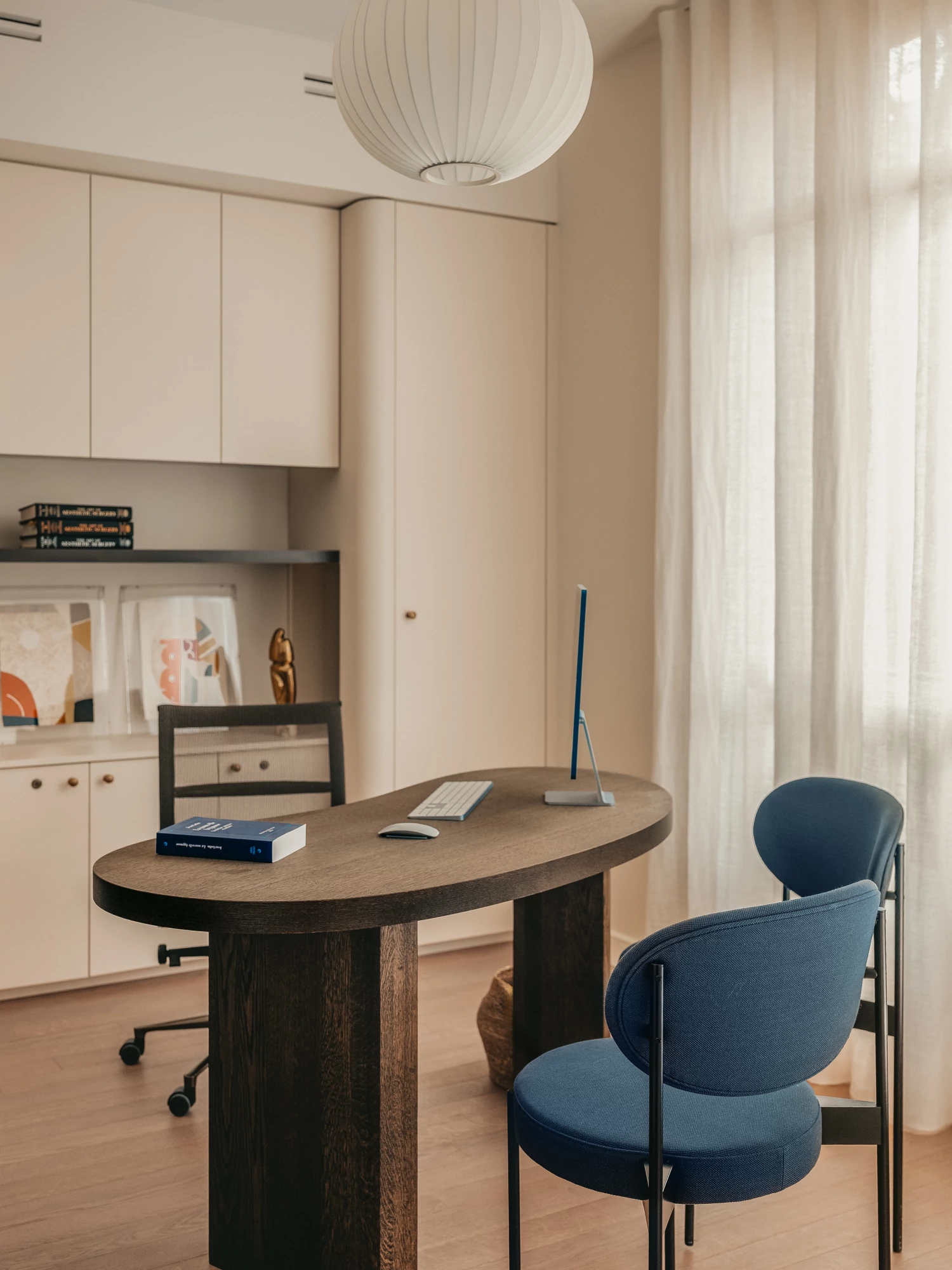
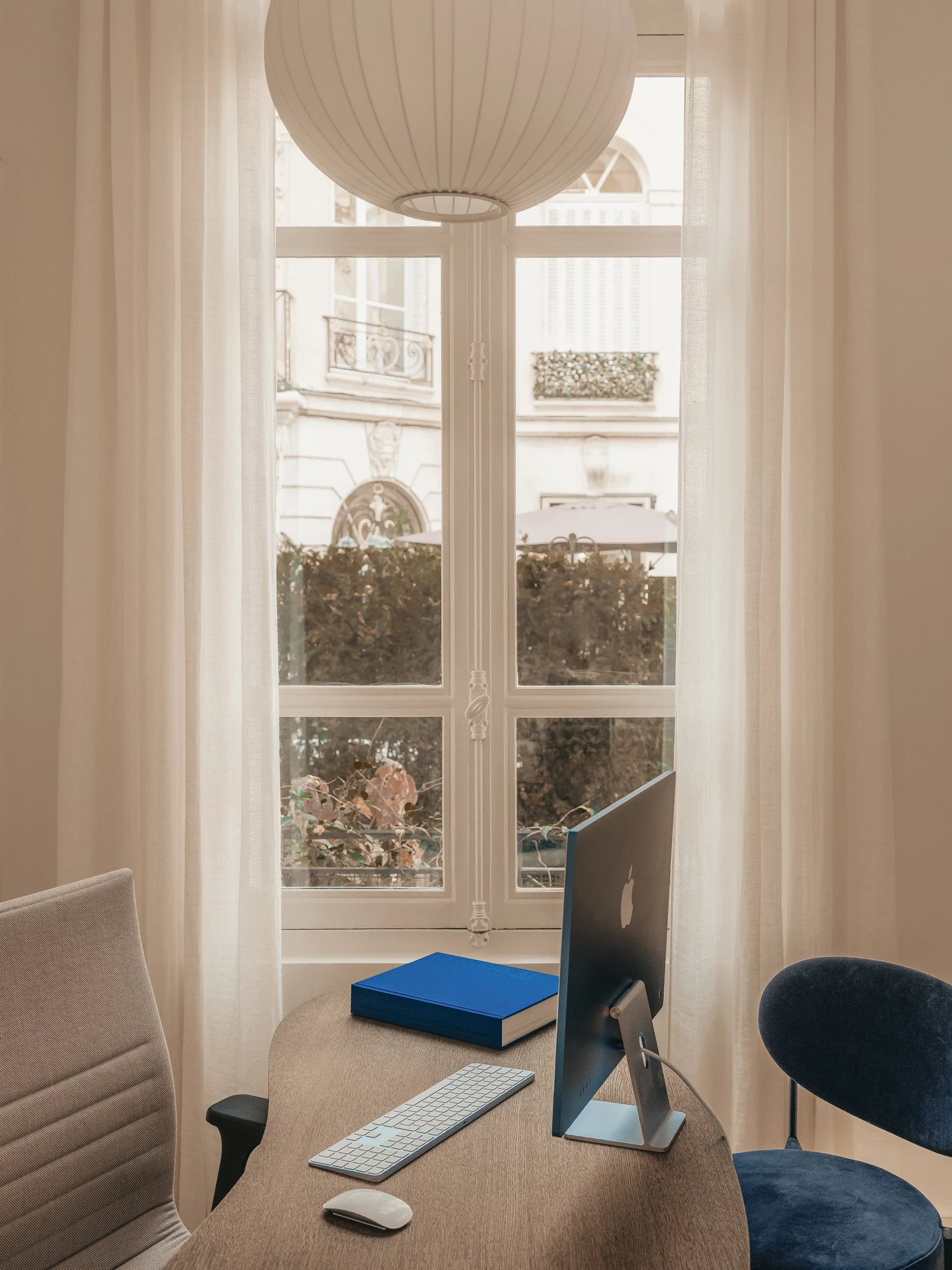
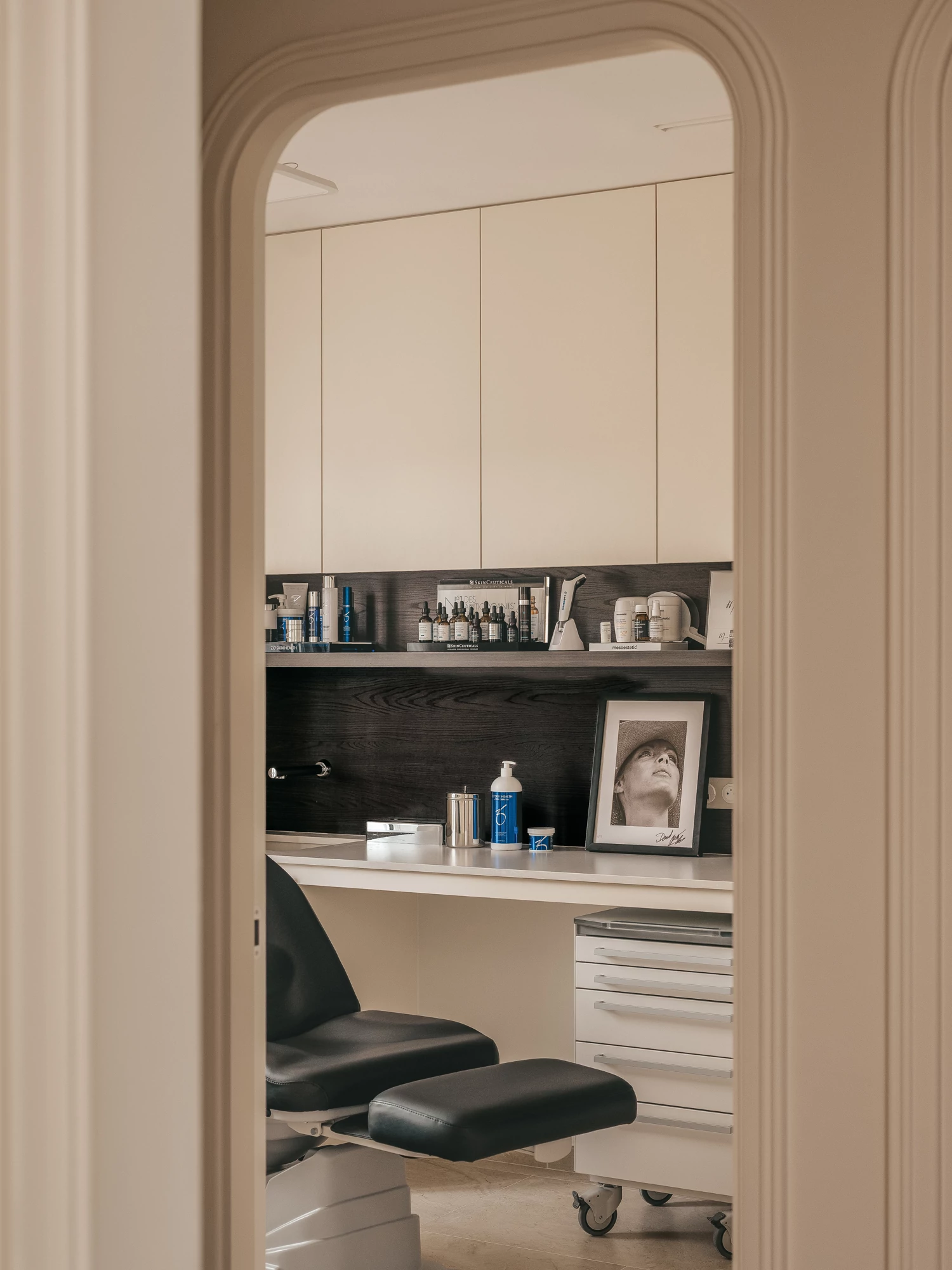
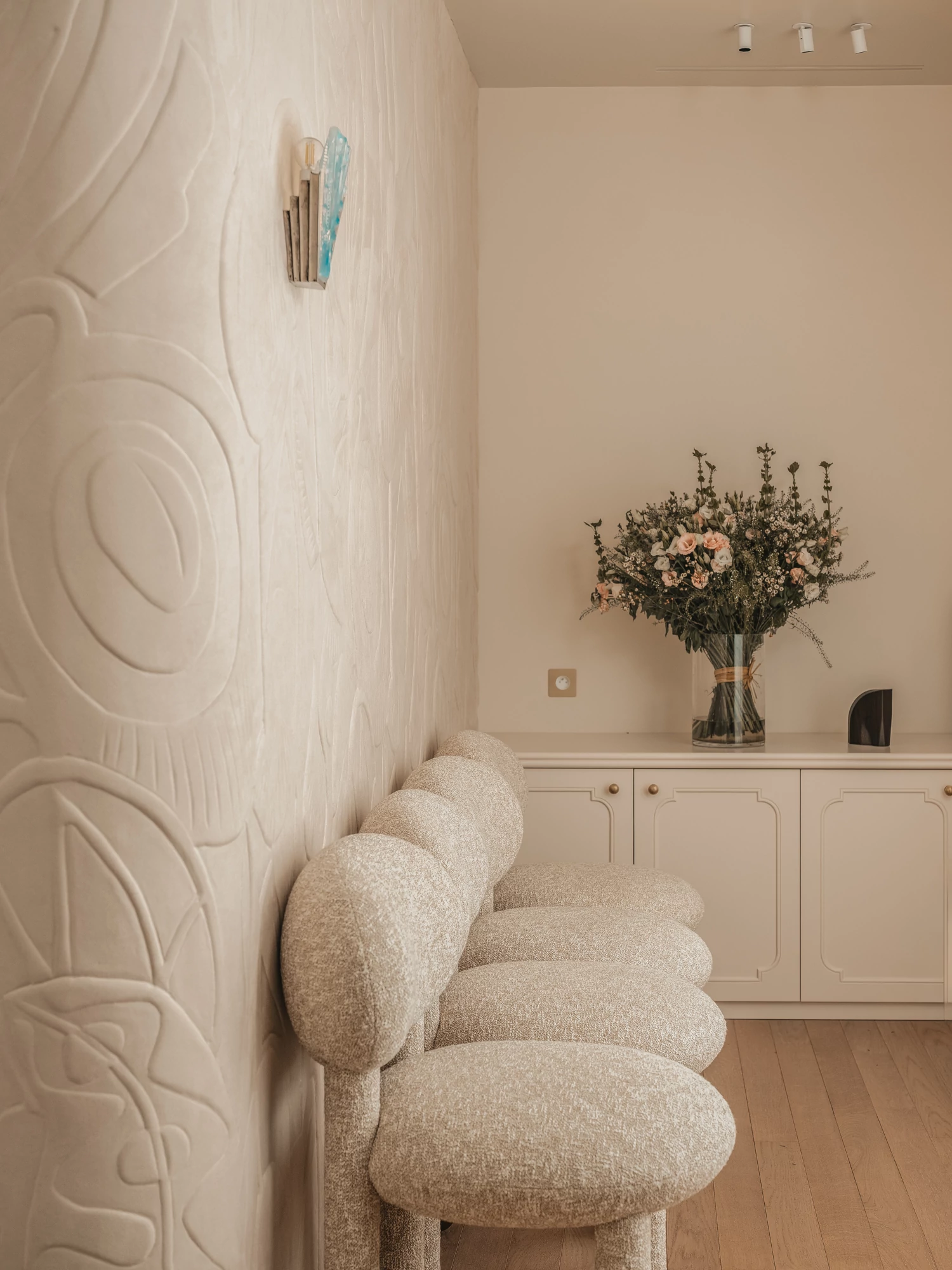
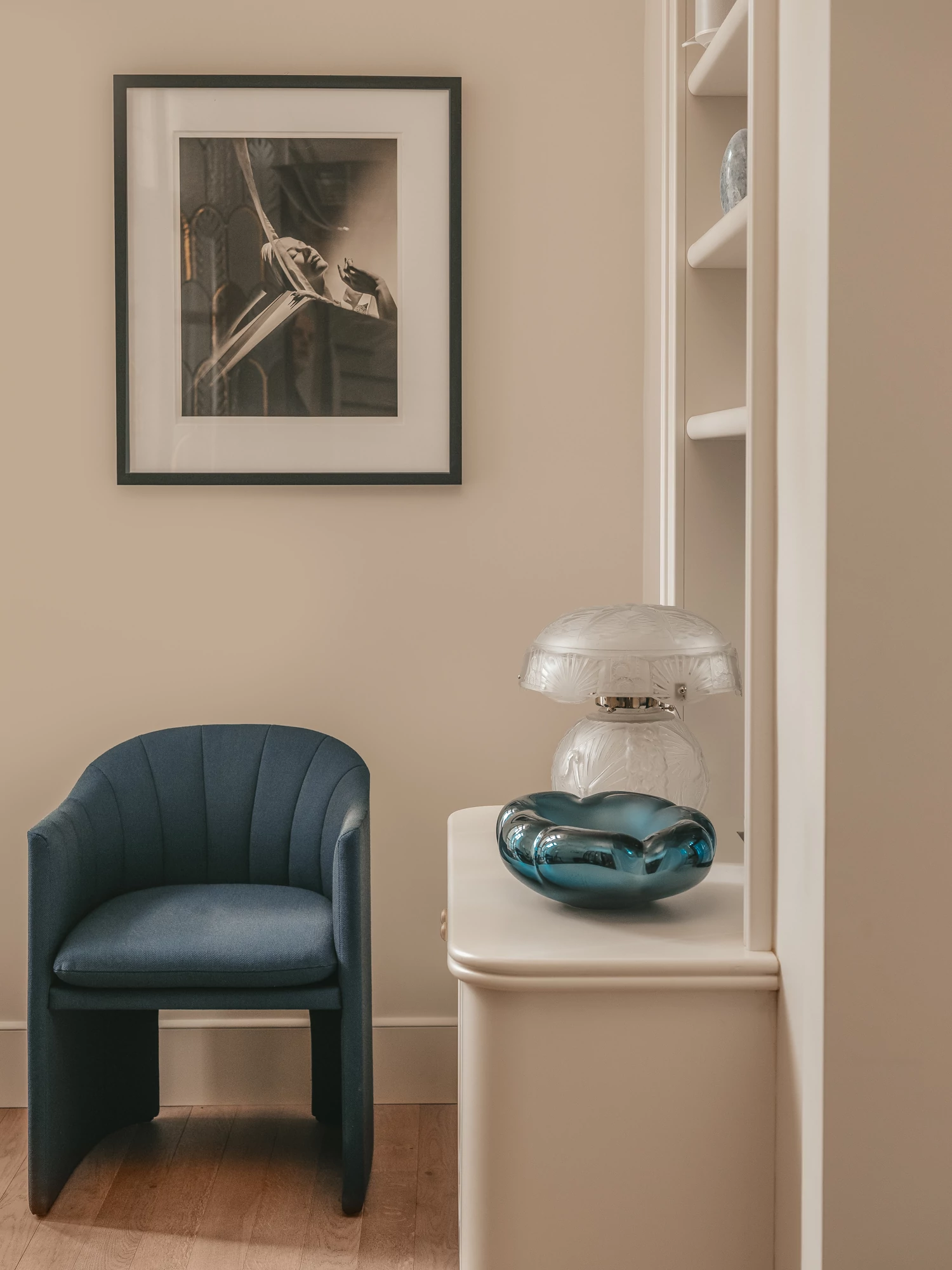
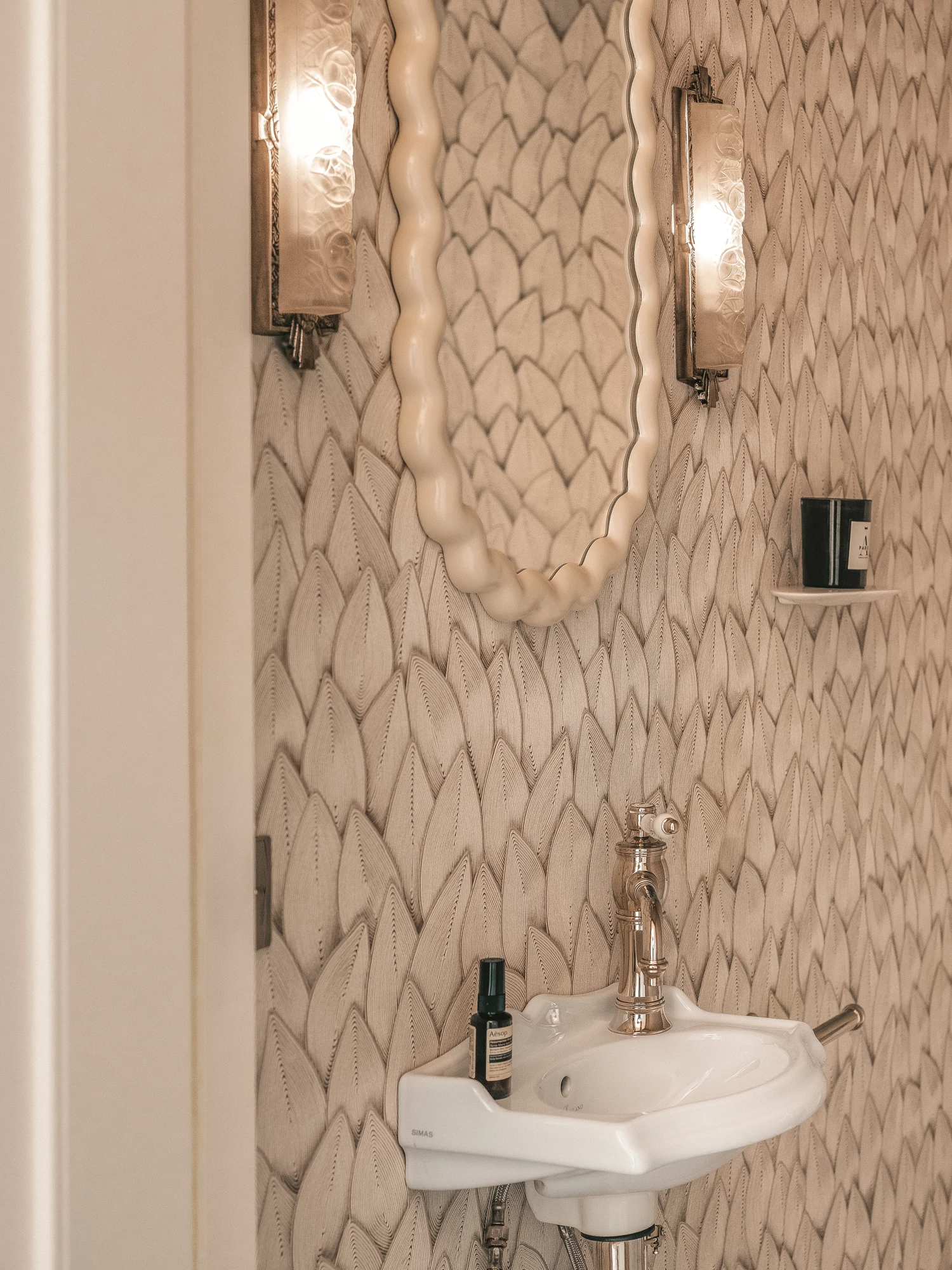
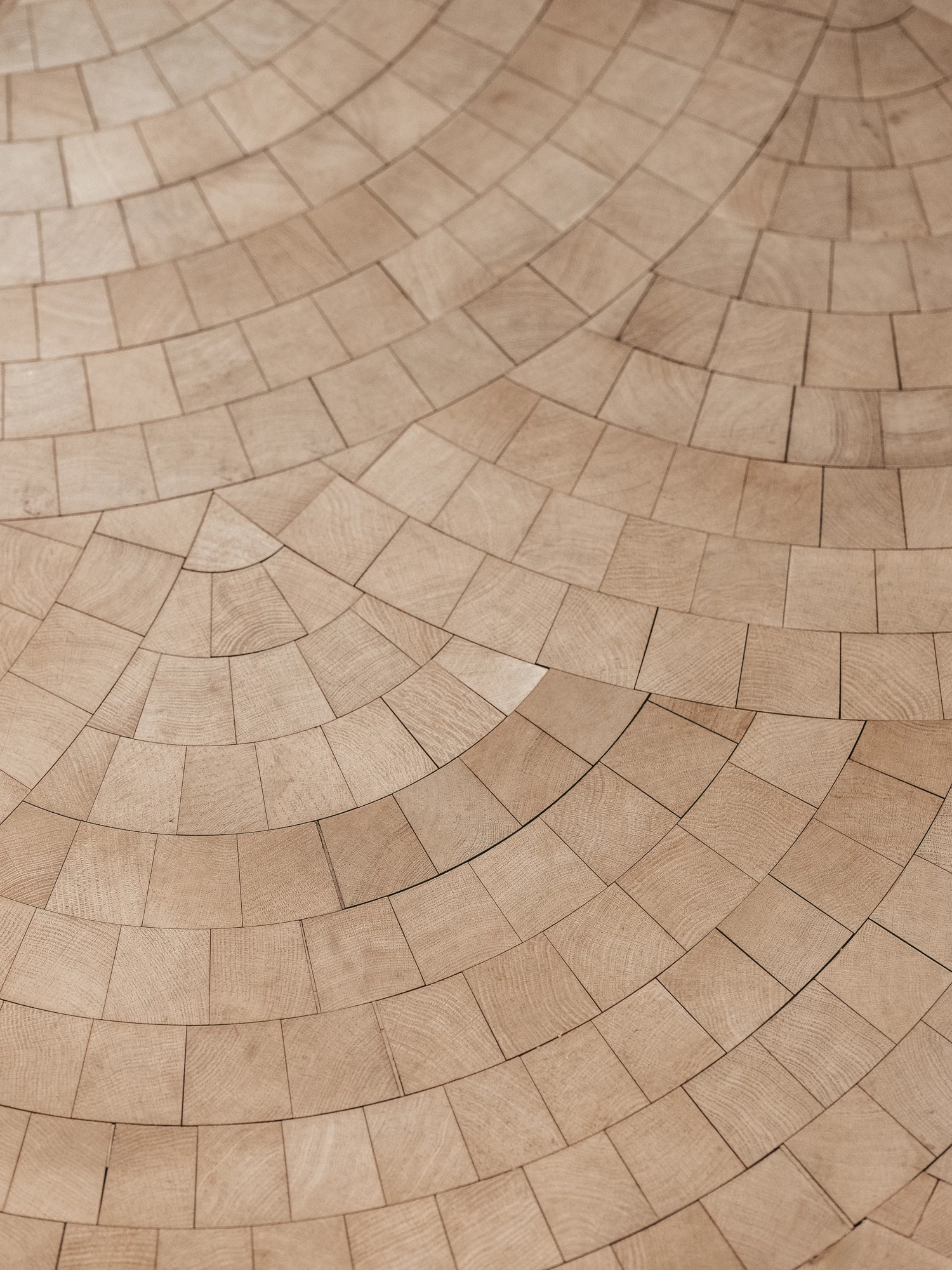
The project places great importance on the choice and use of materials. Wood is the common thread running through the design: vertical wood paneling or parquet flooring, built-in bookcases and other custom woodwork, and the choice of furniture all contribute to a coherent and enveloping interpretation of the spaces.
Travertine introduces a mineral note that is both soft and timeless. Used sparingly, it interacts with the wood and balances the composition with its texture and simplicity.
The color palette, as well as the choice of paints and finishes, has been carefully considered to avoid any feeling of a sterile space. The tones, deliberately nuanced and luminous, help to create a soothing atmosphere conducive to well-being.
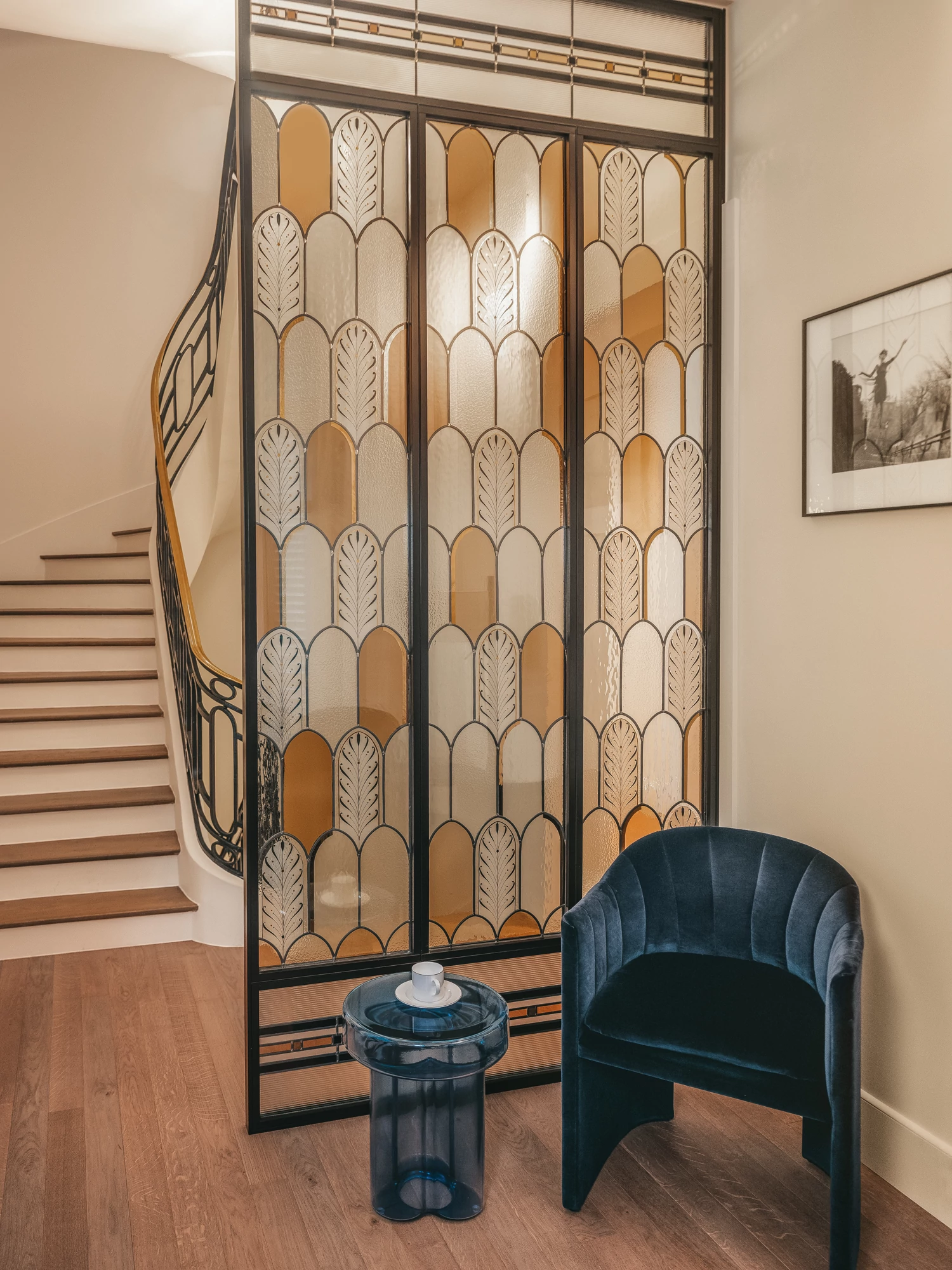
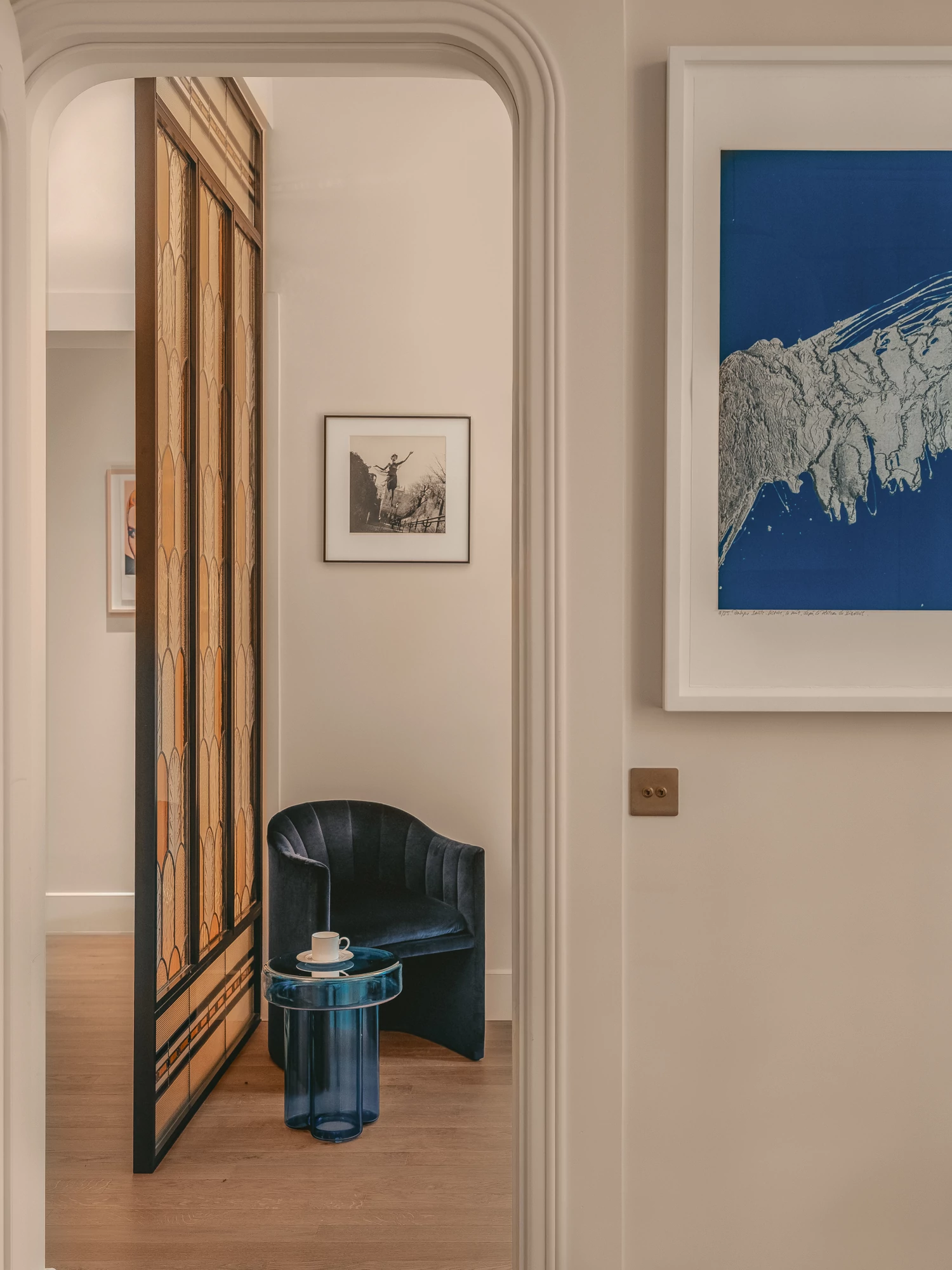
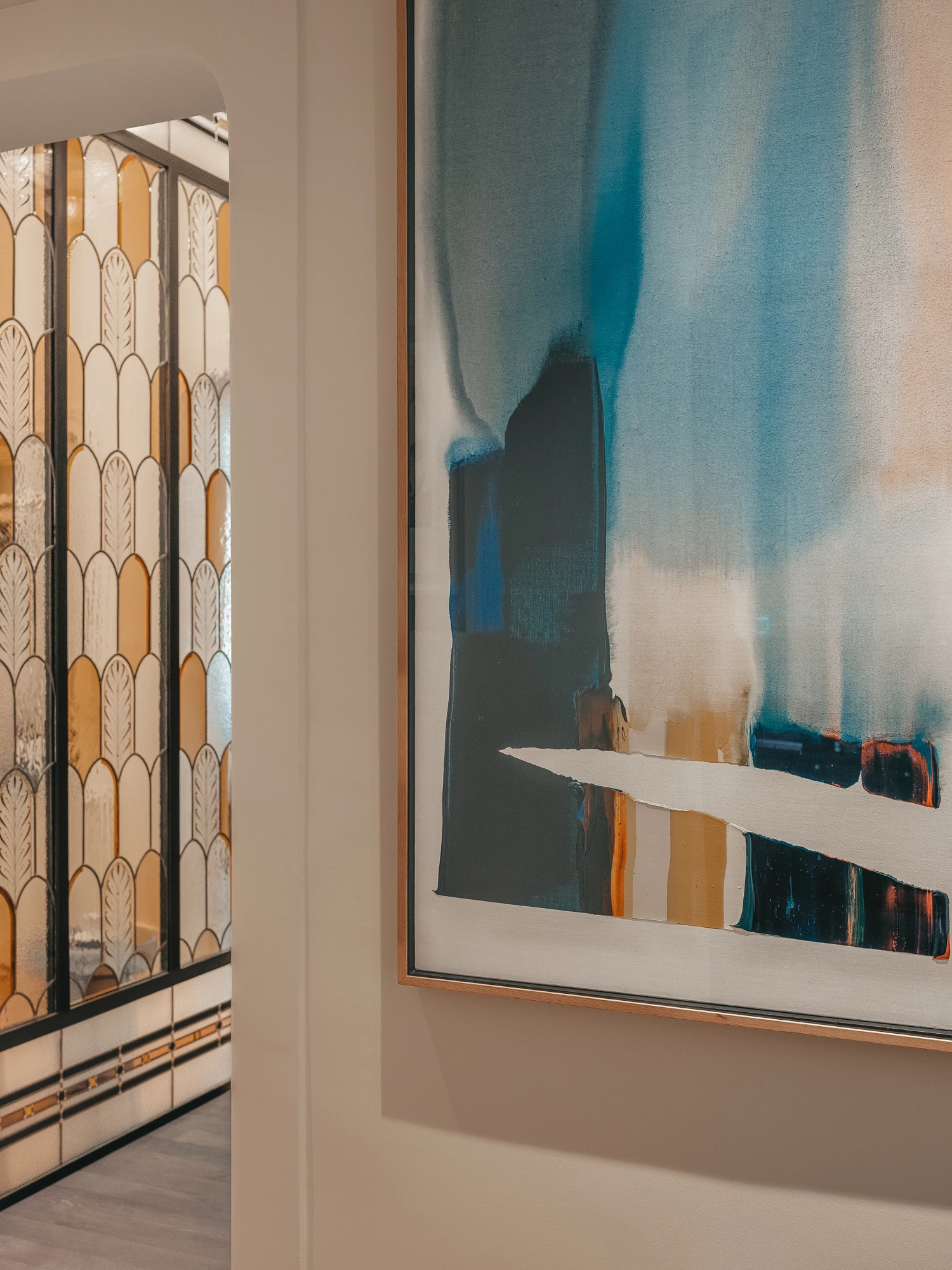
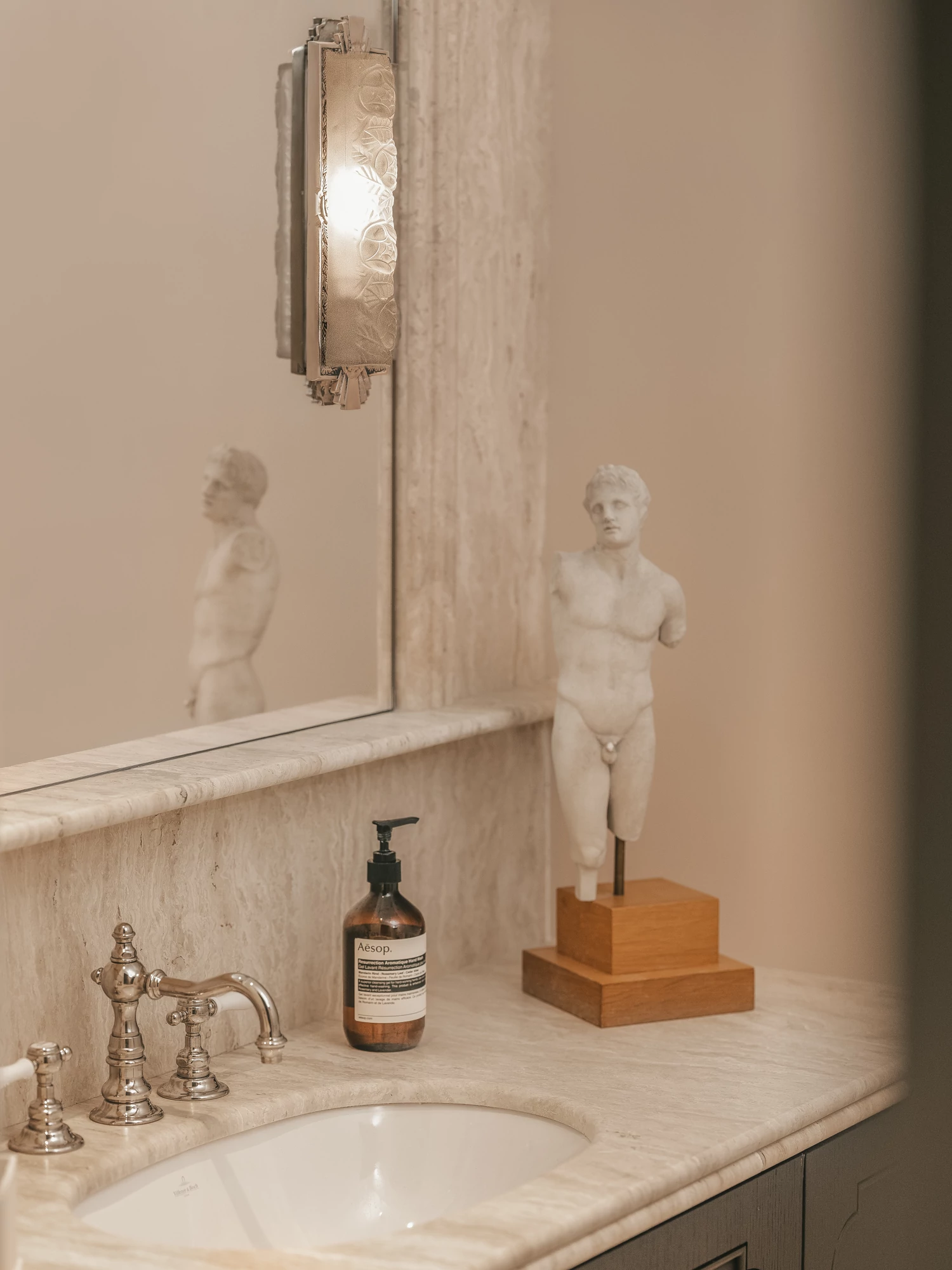
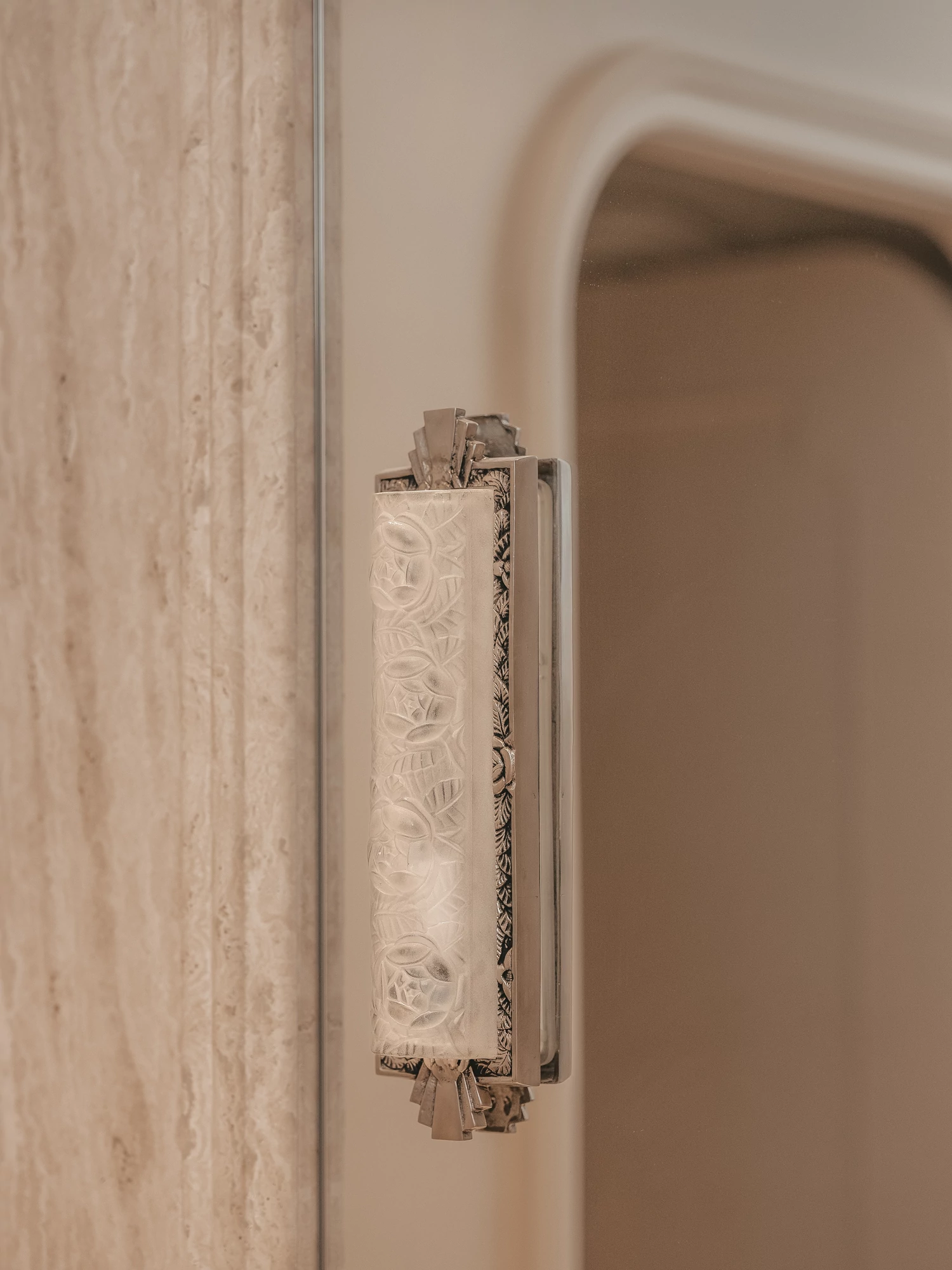
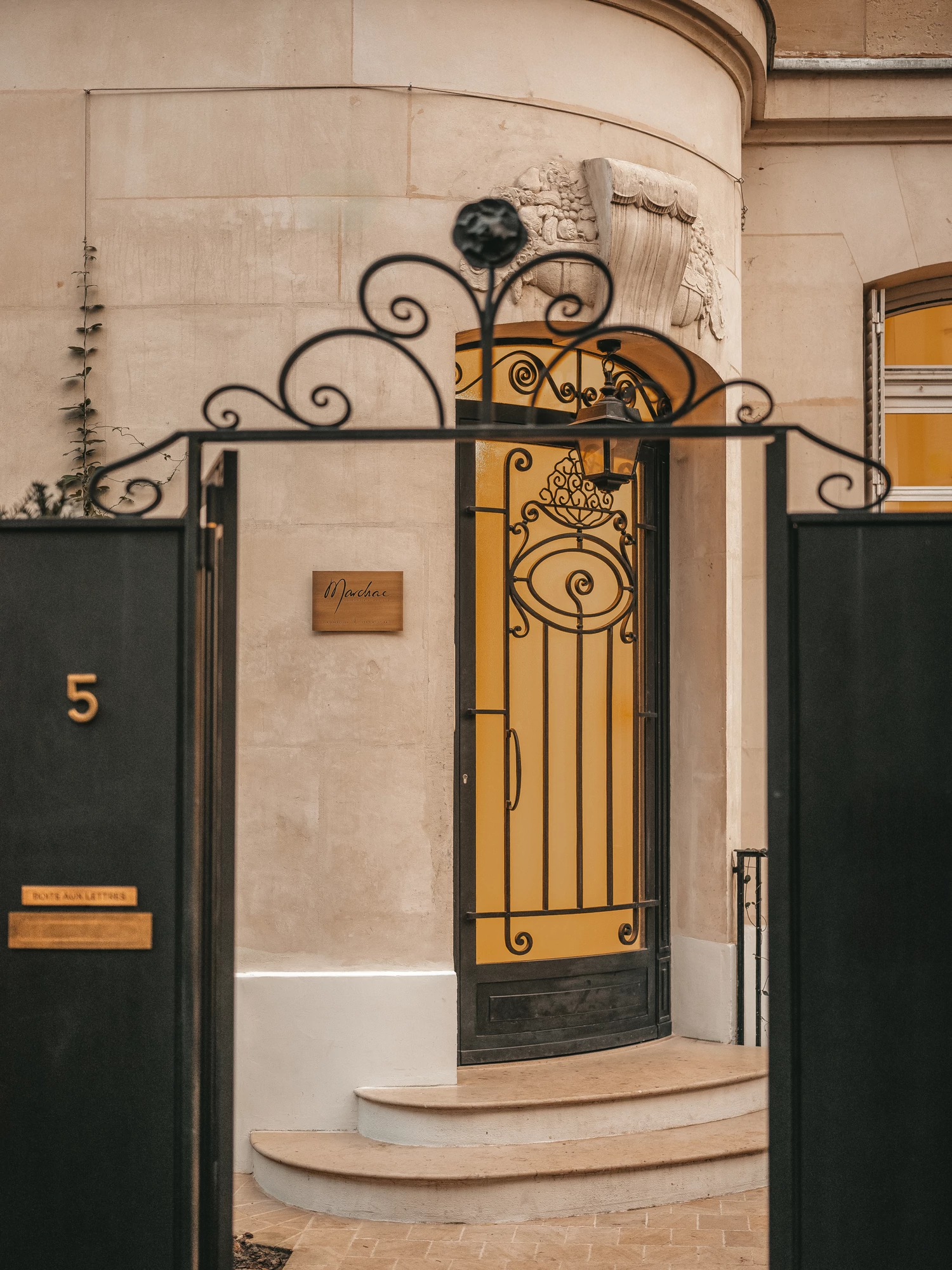
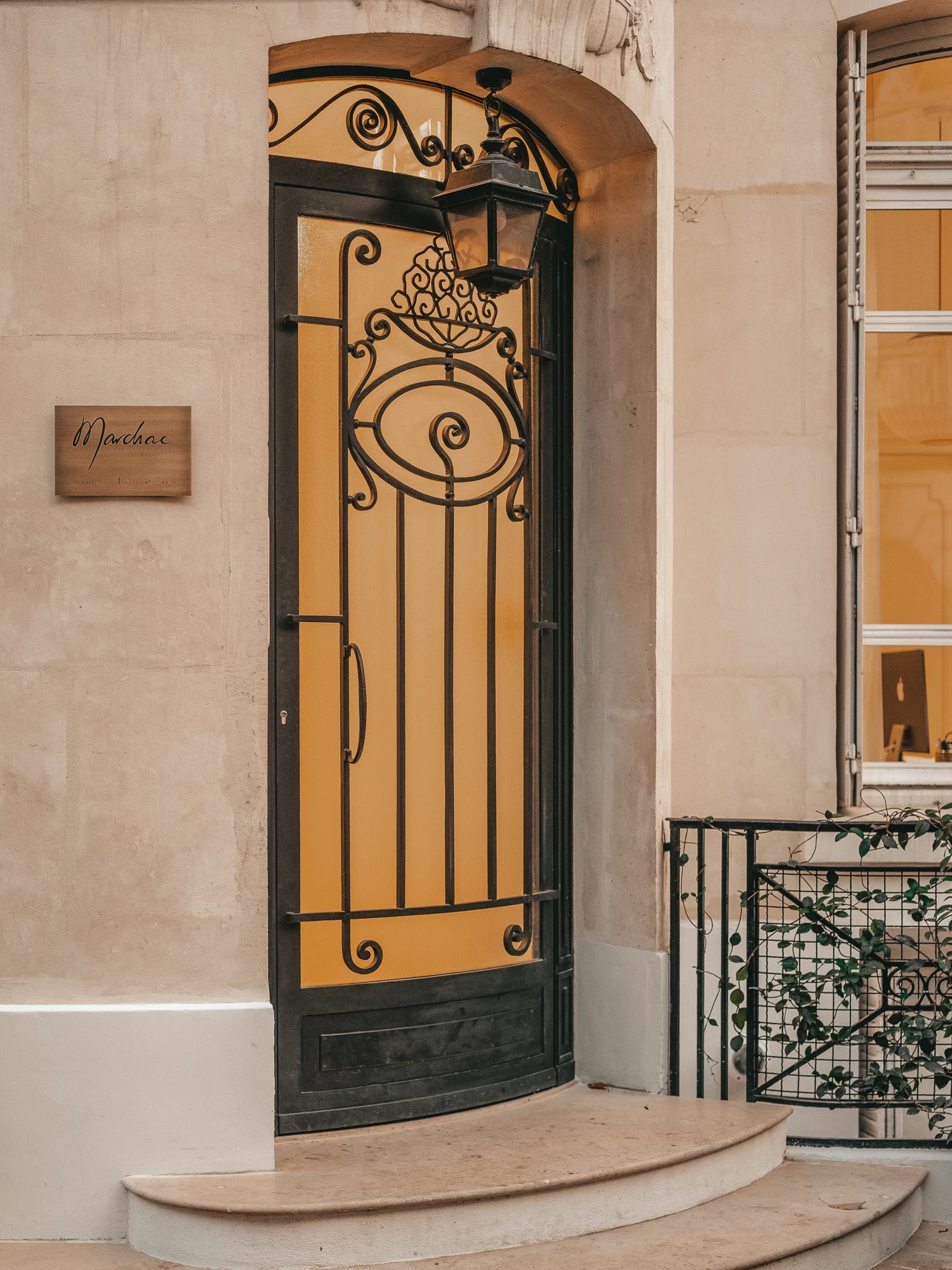
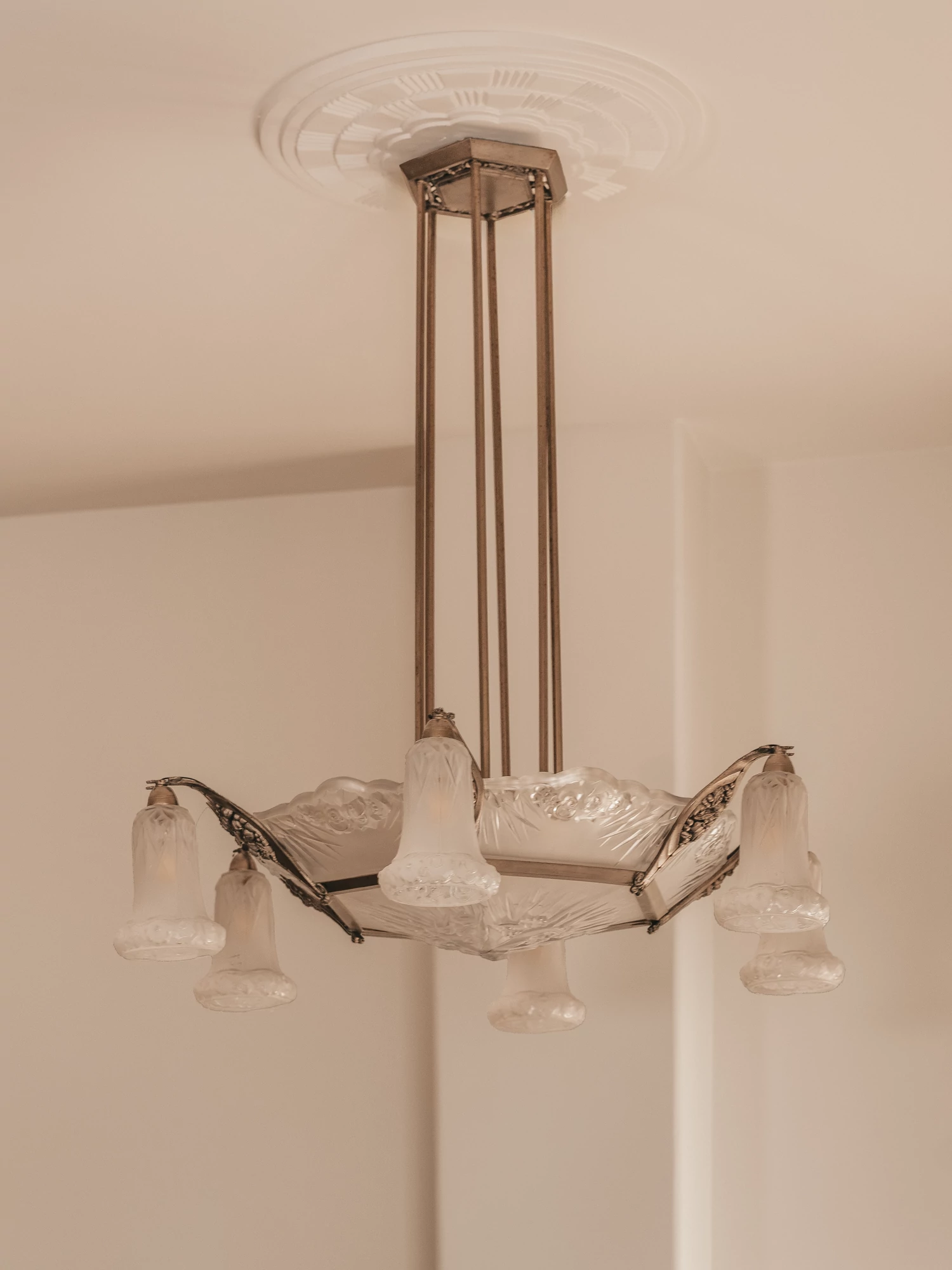
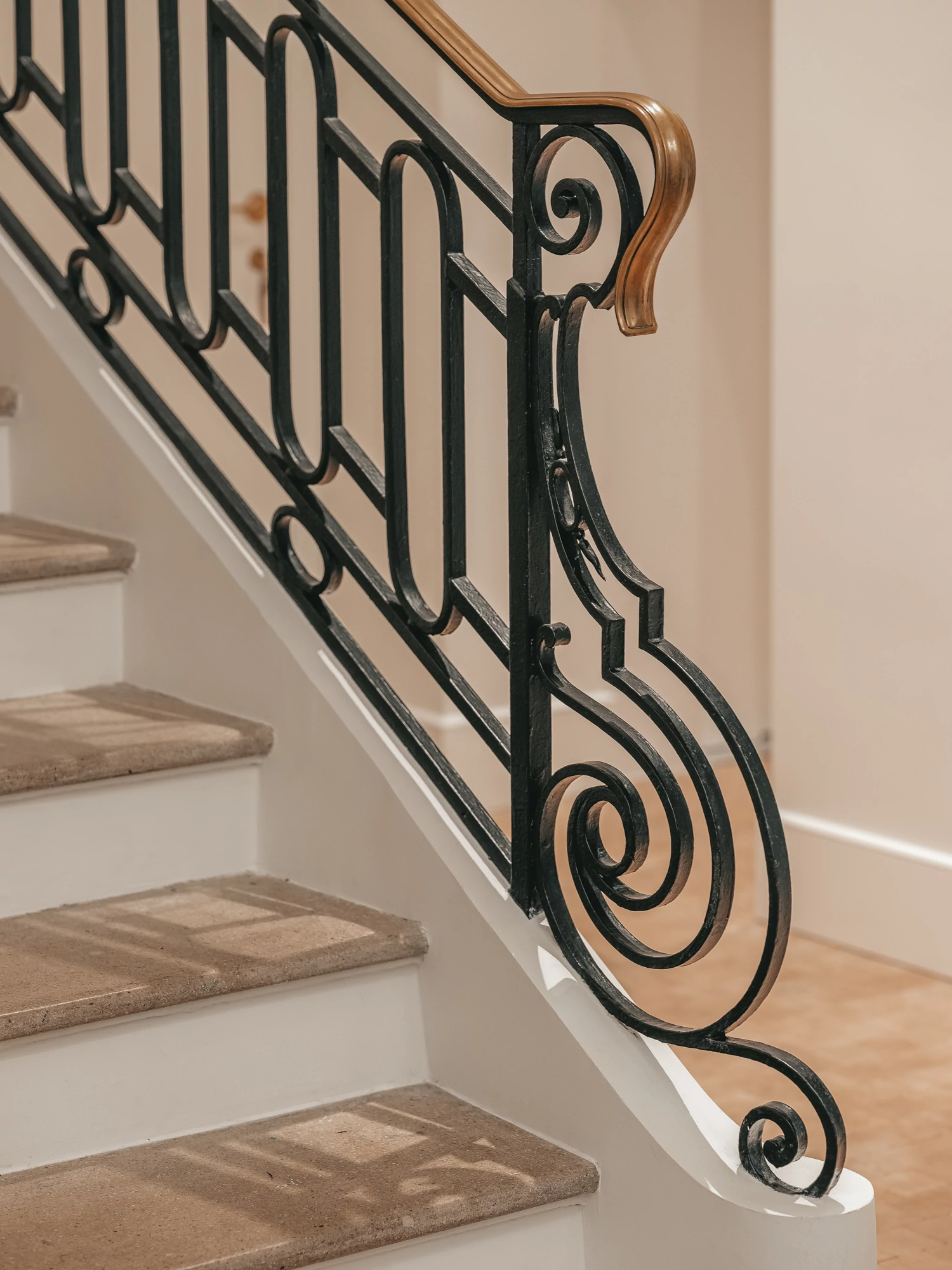
The building, constructed at the beginning of the 20th century, has a distinctive architectural identity, particularly through its façade and original staircase, which are imbued with Art Deco references. Rather than erasing them, the project draws on these heritage elements to inform the interior design.
Art Deco is thus reinterpreted in a contemporary way, through the use of elegant curves, structured lines, and refined decorative details, skillfully integrated into the spaces. This architectural style is developed in the design of the arches, doors, and bookcases.
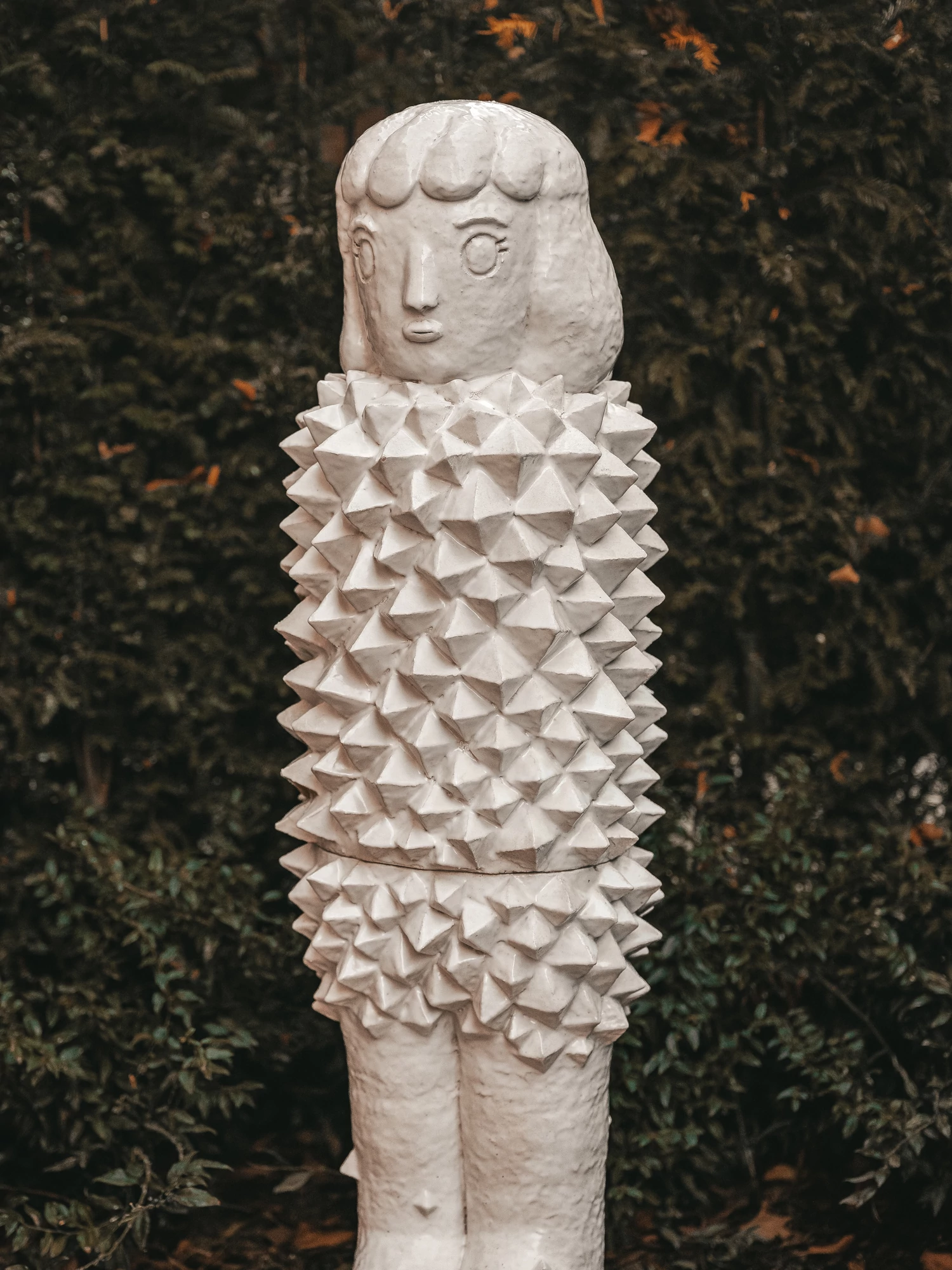
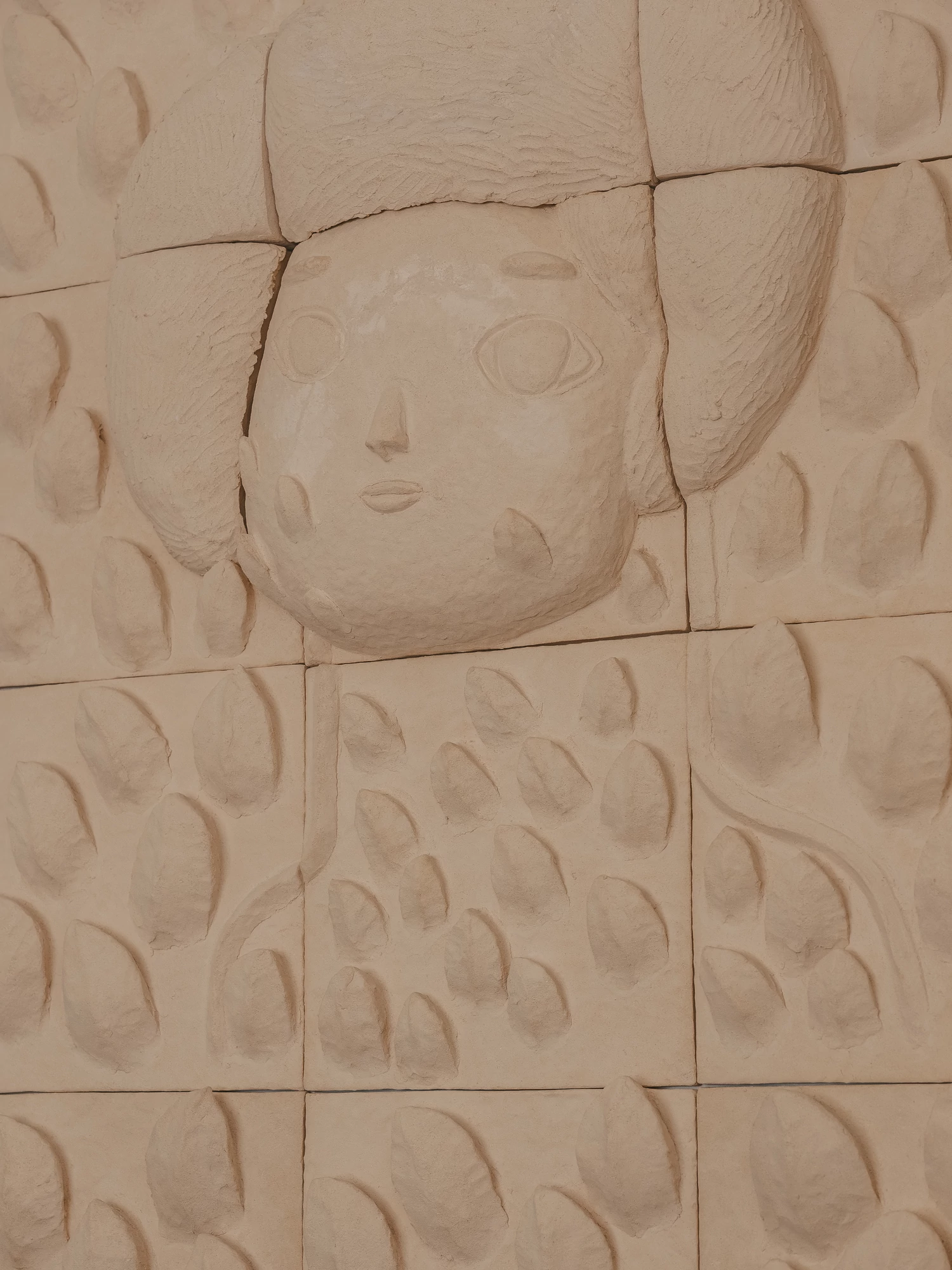
The project is enriched by the involvement of artists, notably stained glass artist Caroline Pregermain (Atelier Saint Didier) and ceramic sculptor Laurent Dufour, whose works bring a sensitive and unique dimension. These artistic interventions punctuate the spaces and reinforce the uniqueness of the place, while fitting harmoniously into the overall architectural language.
Research was carried out with clients to find traditional French glassware from the 1920s, created by Leleu, Degué, and the Muller brothers.
Let's bring your space to life.